Technique
Dry Brining: Salt Early, Thank Yourself Later
The single highest-impact, lowest-effort habit from restaurant kitchens. It costs you thirty seconds and one day of foresight.
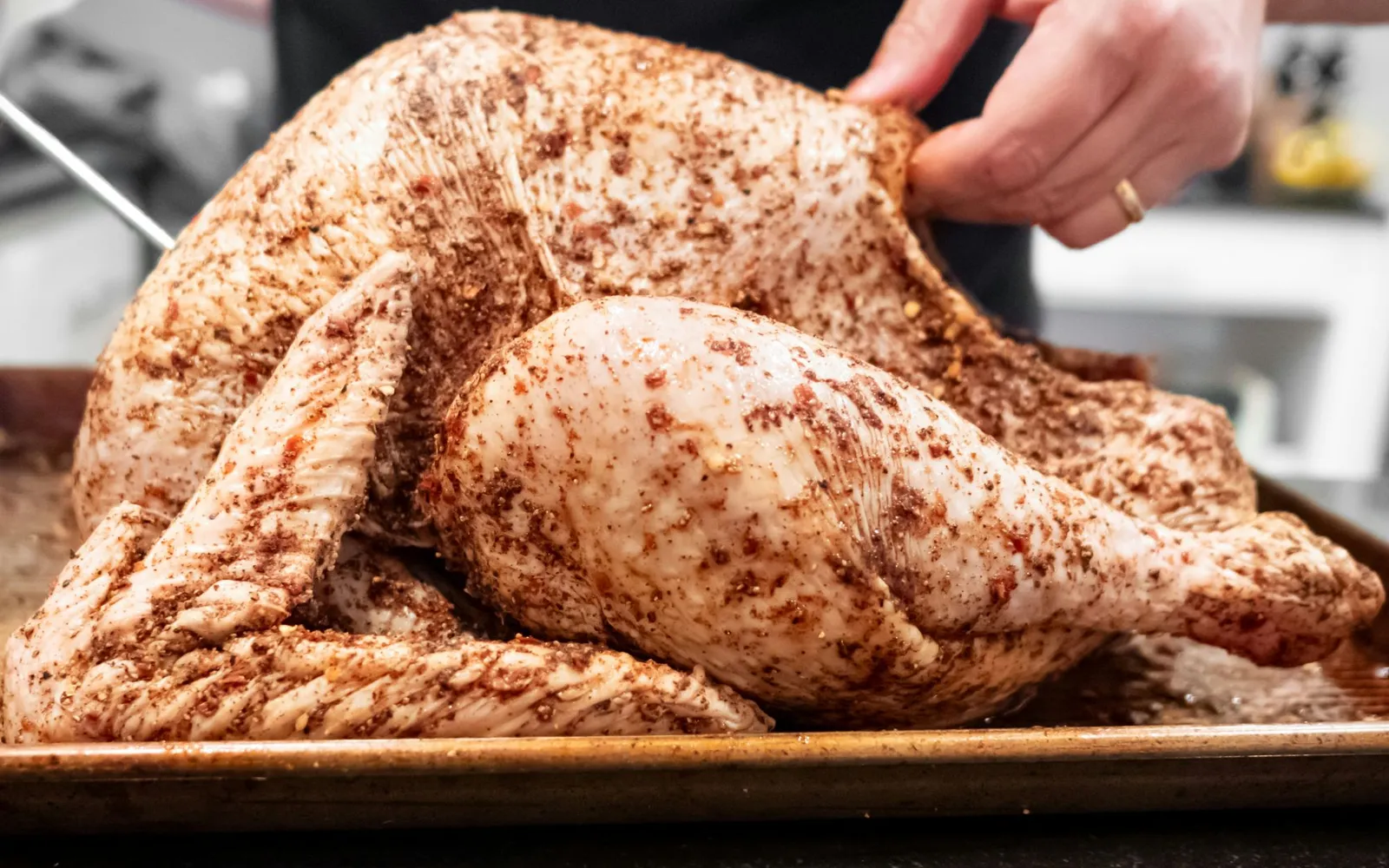
If you take one habit from restaurant kitchens, take this one. In every place I cooked, proteins got salted the moment they came in the back door, not right before they hit the pan. It wasn’t a fancy secret. It was just when.
Dry brining means salting meat well ahead of cooking and letting it sit, uncovered, in the fridge. That’s it. No buckets of salt water, no cooler in the bathtub, no wet turkey sliding around your kitchen.
What the salt is doing
- Minute 0 to 15: salt draws moisture to the surface. If you cook now, you’re searing wet meat. This is the worst window.
- Minute 45 onward: that moisture dissolves the salt and gets pulled back into the meat, seasoning it deeper and helping it hold onto juice as it cooks.
- Overnight: the surface dries out in the cold fridge air. Dry surfaces brown. Wet surfaces steam.
So the rule is: salt right before cooking, or at least 45 minutes ahead. Never in between. (The full case for salting more than feels reasonable is in You Are Not Using Enough Salt.)
How long for what
| What | How early | Notes |
|---|---|---|
| Steaks, pork chops | 1 to 24 hours | Even one hour helps a lot |
| Whole chicken | 12 to 48 hours | Uncovered, on a rack |
| Turkey | 1 to 3 days | Yes, three. Trust it |
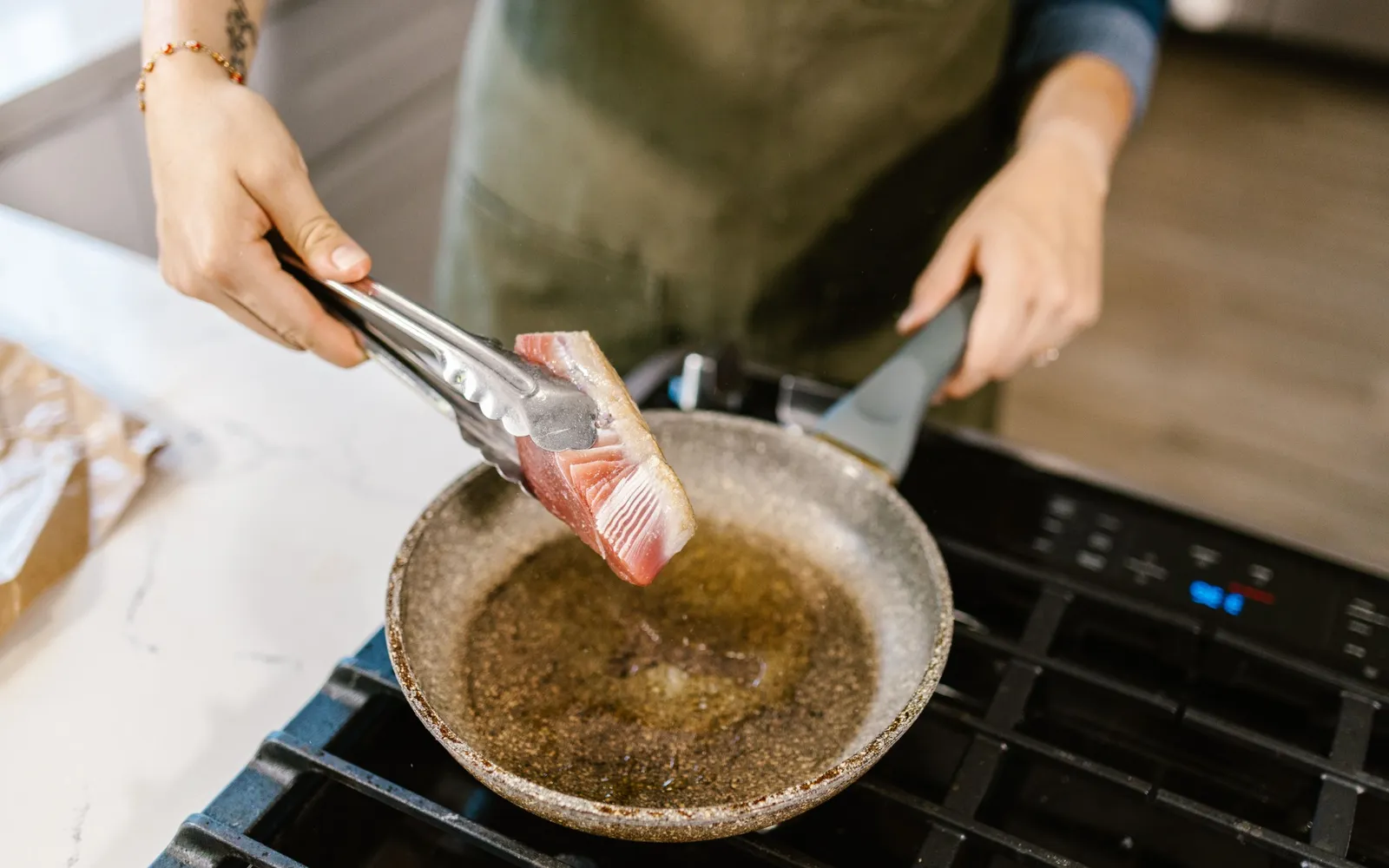
| Fish | 15 to 30 minutes | Longer and it starts to cure |
How much salt? Aim for about 1% of the meat’s weight, which works out to roughly 1 1/2 teaspoons of Diamond Crystal or 1 teaspoon of Morton per pound. Morton is denser, so a teaspoon of it is nearly twice as salty.
Try it on a chicken
If you’ve never done it, start with a whole roast chicken. It’s the clearest before-and-after you’ll ever taste.
Once you’ve had one dry-brined chicken, you will start salting things on Tuesday for Thursday. Welcome. It’s a little behind, and a little ahead.