Technique
We've Been Phoning In Our Spices, and It Shows
Same spices, same amount, completely different dish. How blooming spices in fat works, plus the order to add everything so nothing burns.
The first time I bloomed spices, I was making chili. Same recipe I’d made a dozen times, same cumin, same chili powder. The only difference was that instead of stirring the spices into the pot with the tomatoes, I cooked them in the hot oil for about thirty seconds first. The kitchen immediately smelled different. Deeper. Toastier. And when I tasted it a couple of hours later, it wasn’t my chili anymore. It was chili from another dimension, where everything is better and somebody’s grandmother has been cooking it since dawn. I stood at the stove eating it out of the pot with a spoon, a little angry about every bowl that came before.
Here’s why it works: a lot of the flavor in spices dissolves in fat, not water. Stir ground cumin straight into liquid and much of that flavor just sits there, dusty and muted. Heat it in fat first and those flavors wake up and spread through the oil, which then carries them into every bite. Same spice, same amount, completely different dish. This is called blooming, and it’s one of the cheapest upgrades in cooking.
1. Fat first, then spices
Heat your oil or butter over medium, not screaming high. Add the spices and stir constantly. Ground spices need only 30 seconds to a minute. You’re looking for them to darken a shade and smell incredible, like someone opened a window into a better kitchen. The second they smell toasty, add something wet, like onions, tomatoes, or liquid, to stop the cooking.
The window between bloomed and burnt is short and unforgiving. Burnt spices taste bitter and acrid, and no amount of anything will fix them. If you scorch them, wipe out the pan and start over. It’s two minutes of your life. You’ll be fine.
2. Whole spices go first and stay longer
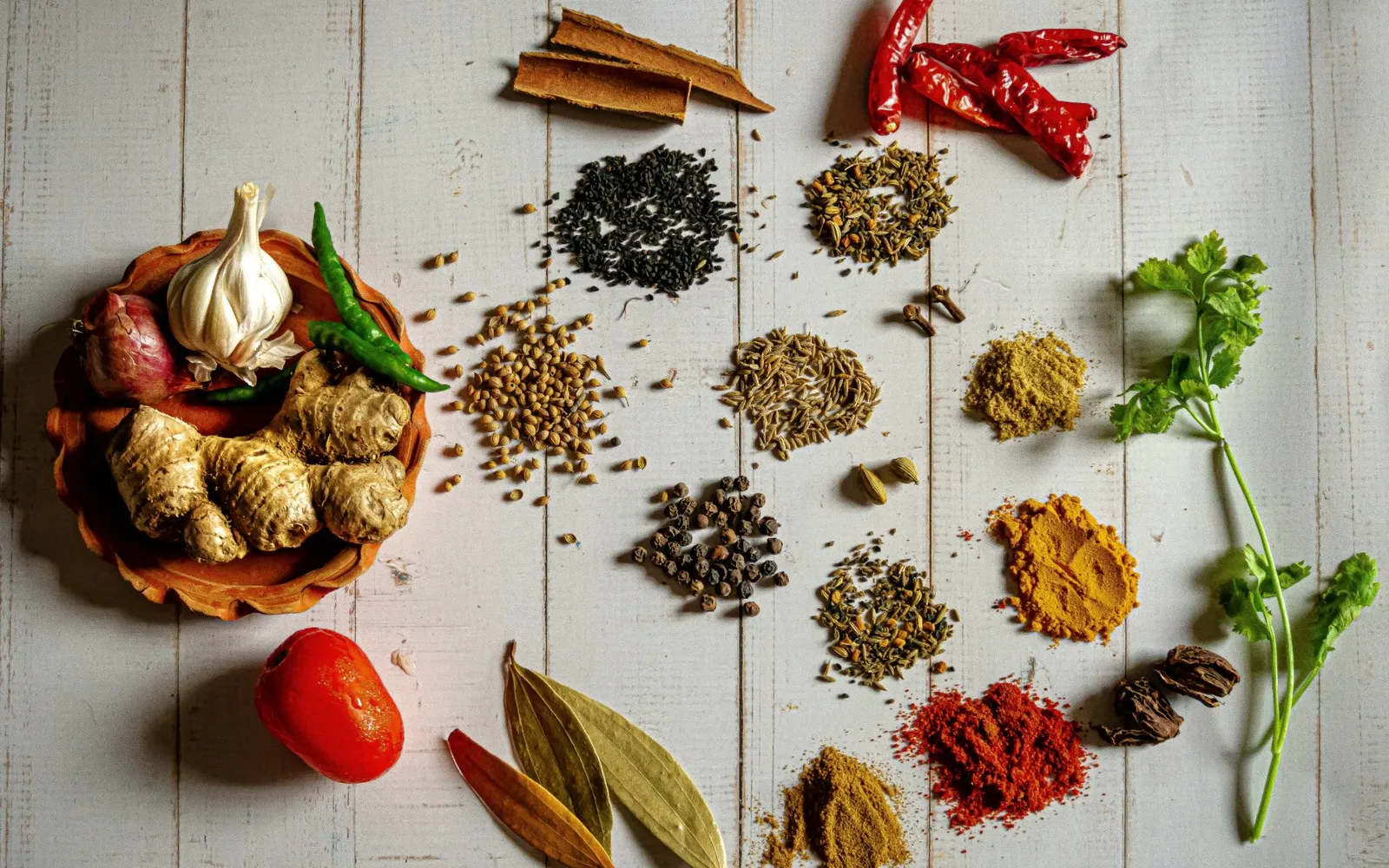
Whole spices like cumin seeds, mustard seeds, coriander, cinnamon sticks, and cardamom pods are sturdier. They can go into the hot fat earlier and cook longer, a minute or two, until they sizzle, pop, or darken. Mustard seeds will literally jump out of the pan when they’re ready, which is both a cue and a reminder to keep a lid nearby.
Ground spices burn fast because they’re tiny. Whole spices are slower to wake up but harder to ruin. Add them in that order: whole first, ground later.
3. Layer your aromatics by how fast they cook
Onions take a while. Garlic and ginger burn quickly. Ground spices burn faster still. So the order usually goes: onions until soft, then garlic and ginger for a minute, then spices for thirty seconds, then liquid. If you throw garlic in with raw onions at the start, the garlic will be burnt and bitter long before the onions are ready. This is how a lot of home cooks end up thinking they don’t like garlic. They do. They just keep cremating it.
4. Try toasting whole spices dry, then grinding
For maximum flavor, toast whole spices in a dry pan over medium heat, shaking often, until fragrant. Let them cool, then grind them in a cheap coffee grinder you’ve designated for spices only (unless you enjoy cumin-flavored coffee, in which case, no judgment, but also some judgment). Freshly ground spices taste dramatically brighter than the stuff that’s been in a jar since your last apartment.
5. Use the finishing move
Many Indian cuisines have a technique called tadka (or tarka, or chhonk, depending on who’s cooking): you bloom spices in hot fat in a small pan, then pour the sizzling oil right over a finished dish of dal or soup. It’s dramatic, it smells amazing, and it adds a fresh layer of flavor right at the end. Chili crisp, brown butter with sage, and garlic oil drizzled over pasta are all cousins of the same idea. You don’t have to bloom only at the beginning.
6. Bonus: brown your tomato paste
Tomato paste behaves the same way. Instead of stirring it into liquid, cook it in the fat for a couple of minutes until it darkens from bright red to brick. It loses its raw, tinny edge and gets deeper and sweeter. Your chili, braises, and pasta sauces will taste like they cooked twice as long.
7. Check your spice rack. Gently.
Ground spices lose their punch over time. If you open a jar and it smells like nothing, it’ll taste like nothing. A good rule: if you can’t remember buying it, or it moved with you across state lines, replace it. Buy smaller amounts more often, and buy whole when you can.
The short version
Spices want fat and heat before they meet liquid. Whole first, ground later. Garlic after onions. Pull it the second it smells amazing. That’s it. You’re now the person who makes the kitchen smell good, which is honestly the most underrated form of social power.
Next up: why your steak keeps cooking after you take it off the heat, and why a thermometer is the most important tool you’re too proud to use.
Put it into practice
Cook it