Technique
Your Food Isn't Bland. It's Flat. There's a Difference.
When more salt only makes it saltier, your food is asking for acid. How to spot flat food, pick the right acid, and add it at the right moment.
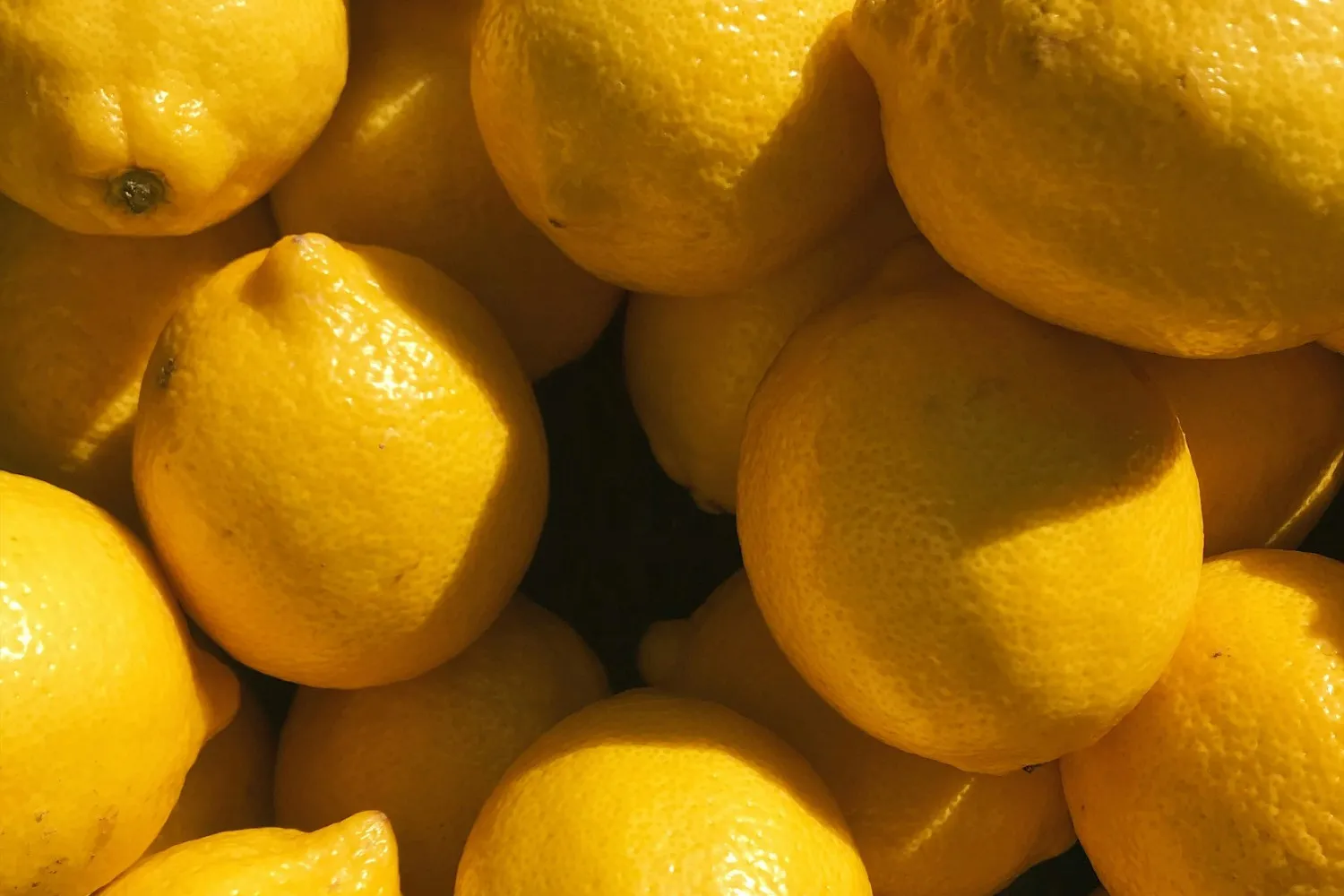
I once spent forty-five minutes trying to fix a braise that tasted like nothing. I salted it. Then I salted it again. I added more herbs, more garlic, a bay leaf I found in my apron pocket that I’m fairly sure belonged to someone else. It got saltier and saltier and somehow more depressed. Finally the chef took a spoon, tasted it, sighed the sigh of a man who has explained this before, and squeezed half a lemon into the pot. That was it. The whole thing woke up like it had been slapped. I have never felt so stupid in my entire life, and I once called a teacher “Mom” in front of the whole class.
Here’s what I didn’t understand: salt and acid do different jobs. Salt makes food taste more like itself. Acid makes food taste alive. When a dish tastes heavy, muddy, or dull, and more salt only makes it taste salty, it’s almost never asking for salt. It’s asking for acid. Restaurants know this. Most home cooks don’t. That squeeze of lemon at the end isn’t a garnish. It’s the punchline.
1. Learn to diagnose “flat”
Flat food tastes like a room with the lights off. Everything’s there, you just can’t see it. Rich things are especially prone to this: braises, stews, cream sauces, beans, anything with a lot of fat or long cooking time. Acid cuts through fat and richness, sharpens the edges, and makes every other flavor pop.
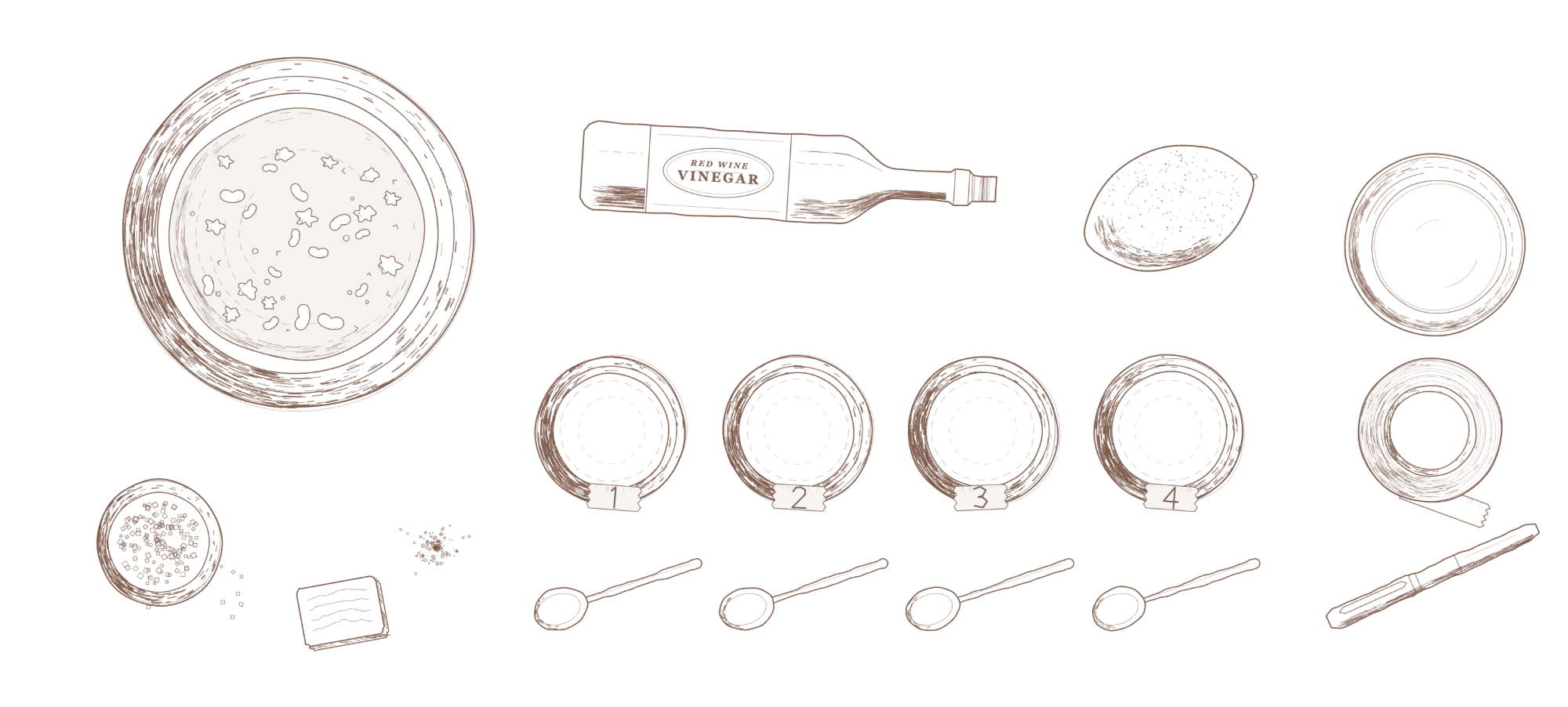
The test: take a spoonful of the dish and add a drop of lemon or vinegar to just that spoonful. Taste it next to a plain spoonful. If the acid version tastes brighter and more like food, you have your answer. This is the same trick as with salt, and it works because you can’t un-add anything to a whole pot.
2. Know your acids
They’re not interchangeable. Each brings its own personality, so pick one that fits the dish.
Lemon is bright and clean, good on almost everything. Lime is sharper and leans tropical, great with chile, coconut, and anything that wishes it were a taco. Red wine vinegar is bold enough for beef and beans. Sherry vinegar is nutty and a little sweet, and it might be the most underrated bottle in the grocery store. Rice vinegar is mild and gentle for Asian dishes and delicate vegetables. Cider vinegar is fruity and goes with pork, greens, and barbecue.
And acid hides in places you don’t expect. Wine, tomatoes, yogurt, buttermilk, mustard, pickles, and pickle juice all count. A spoonful of mustard in a pan sauce is doing acid work. So is the dollop of sour cream on chili.
3. Add it at the end
Heat dulls acid, especially citrus. The bright, fresh aromas in lemon and lime juice cook off fast, so add them right before serving. Vinegar is a little sturdier and can go in earlier to mellow and blend, but even then, a final splash at the end is what gives you that lift.
One warning: don’t dress green vegetables or salads until right before they hit the table. Acid turns bright green vegetables a sad army-surplus olive, and it wilts greens faster than a teenager asked to do chores.
4. Use the zest, too
The colored outer peel of citrus is where the fragrant oils live. Zest gives you all the citrus perfume with none of the sourness. Juice gives you sourness without much aroma. Use both and you get the whole song instead of half of it. Grate only the colored part, though. The white pith underneath is bitter and tastes like regret.
5. Went too far? Balance, don’t panic.
Too much acid makes food taste sharp and thin. You can’t remove it, but you can balance it. A little fat, like butter, olive oil, or cream, softens the edge. A pinch of sugar or a drizzle of honey rounds it out. A bit more salt can help too, and more of the base ingredients will dilute it. Add slowly, taste often, and remember: it’s always easier to add than subtract. That’s true of acid, salt, and most of my opinions about people.
The rule of thumb
When something tastes off and you don’t know why, ask yourself two questions in order. Does it need salt? If not, does it need acid? Nine times out of ten, that’s your fix. The tenth time, it probably needed both, plus a nap.
Salt makes food taste like itself. Heat builds the flavor. Fond turns it into a sauce. Acid makes it sing. You now know more than most people who’ve owned a kitchen for twenty years. Next up, we’re going to stop dumping spices into a pot like we’re mailing them somewhere.
Put it into practice
Cook it