Guide
You Are Not Using Enough Salt, and I Say This With Love
Restaurant food tastes better mostly because of salt: more of it, earlier, with zero shame. Six habits to season like a line cook.
My first week of culinary school, a chef instructor tasted my soup, looked at me for a long, uncomfortable moment, and asked, “Did you season this, or did you just think about seasoning it?” Then he threw a palmful of salt into the pot like he was feeding ducks. It tasted like soup. Before that, it tasted like hot water that had heard rumors about vegetables.
Here’s the dirty secret of restaurant food: it’s not the copper pans or the tweezers or the guy named Sven who forages moss. It’s salt. Restaurants use more of it, earlier, and with zero shame. Salt doesn’t make food taste salty. It makes food taste like itself, only louder. Under-salted food isn’t healthy. It’s just sad.
So let’s fix you.
1. Pick one salt and commit to it
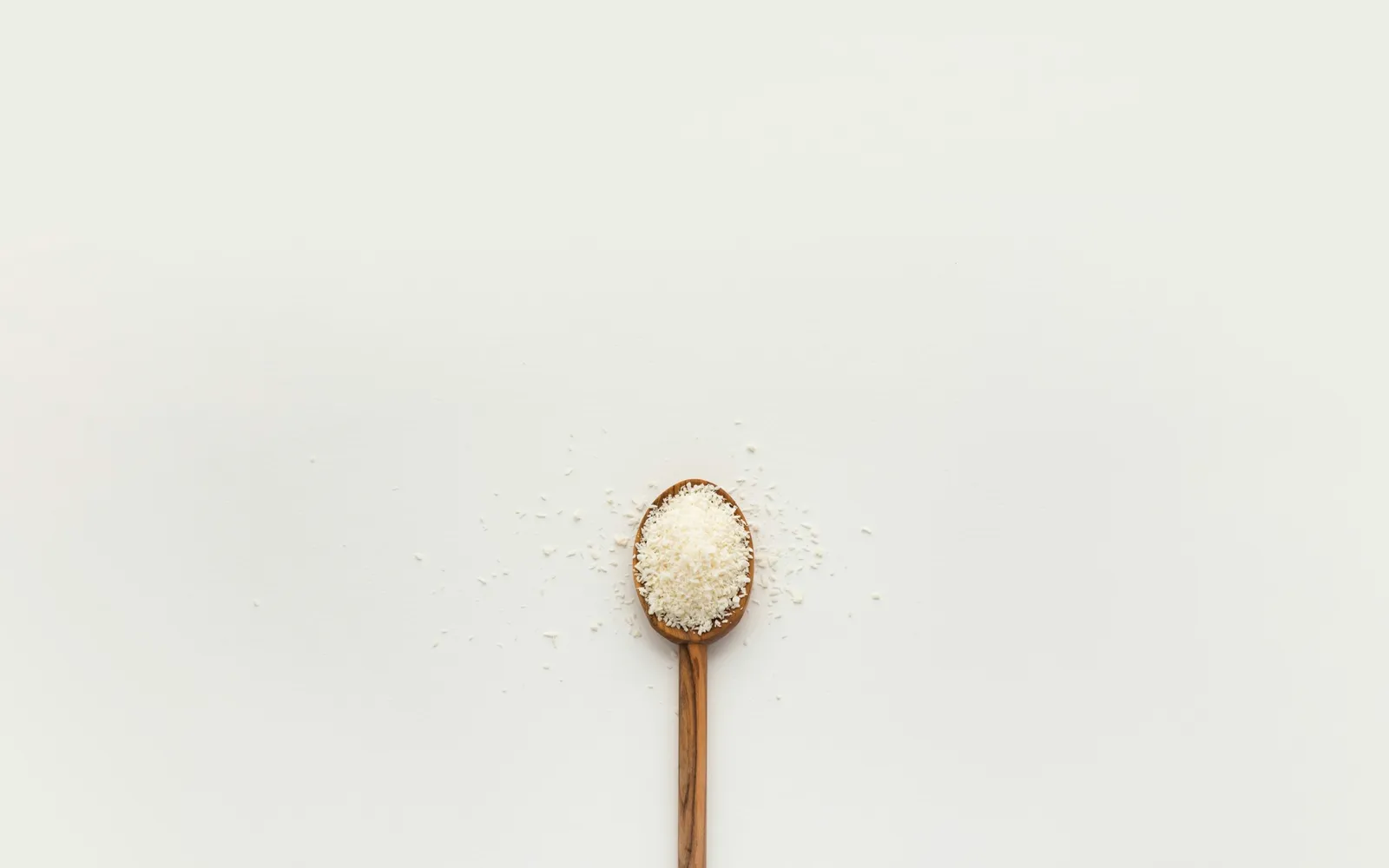
Use kosher salt. Then pick a brand and be loyal, because they are not the same. A teaspoon of Morton kosher is almost twice as salty as a teaspoon of Diamond Crystal, thanks to crystal shape. Table salt is denser still. Swap one for another without adjusting and you’ve turned dinner into a crime scene. One salt, one hand, and eventually you’ll know what a pinch actually means.
2. Season early, then season again
Salt needs time to get inside food. Salt your onions when they hit the pan and they’ll soften faster and taste sweeter. Salt the pasta water, the potato water, the beans. Build it in layers as you go. If you salt only at the end, the food is salty on the outside and bland in the middle, like most people at a work happy hour.
3. Salt your meat way earlier than feels reasonable
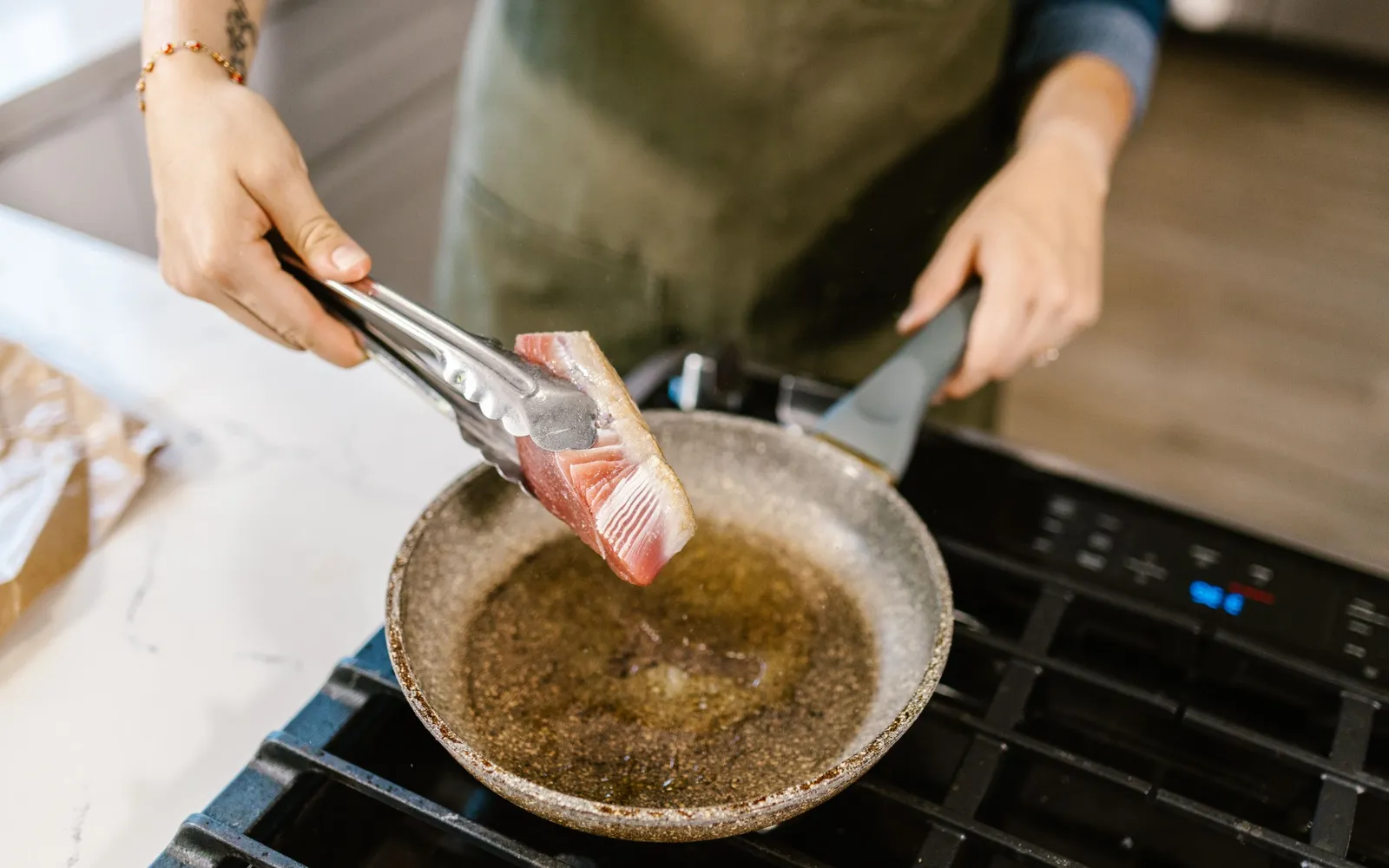
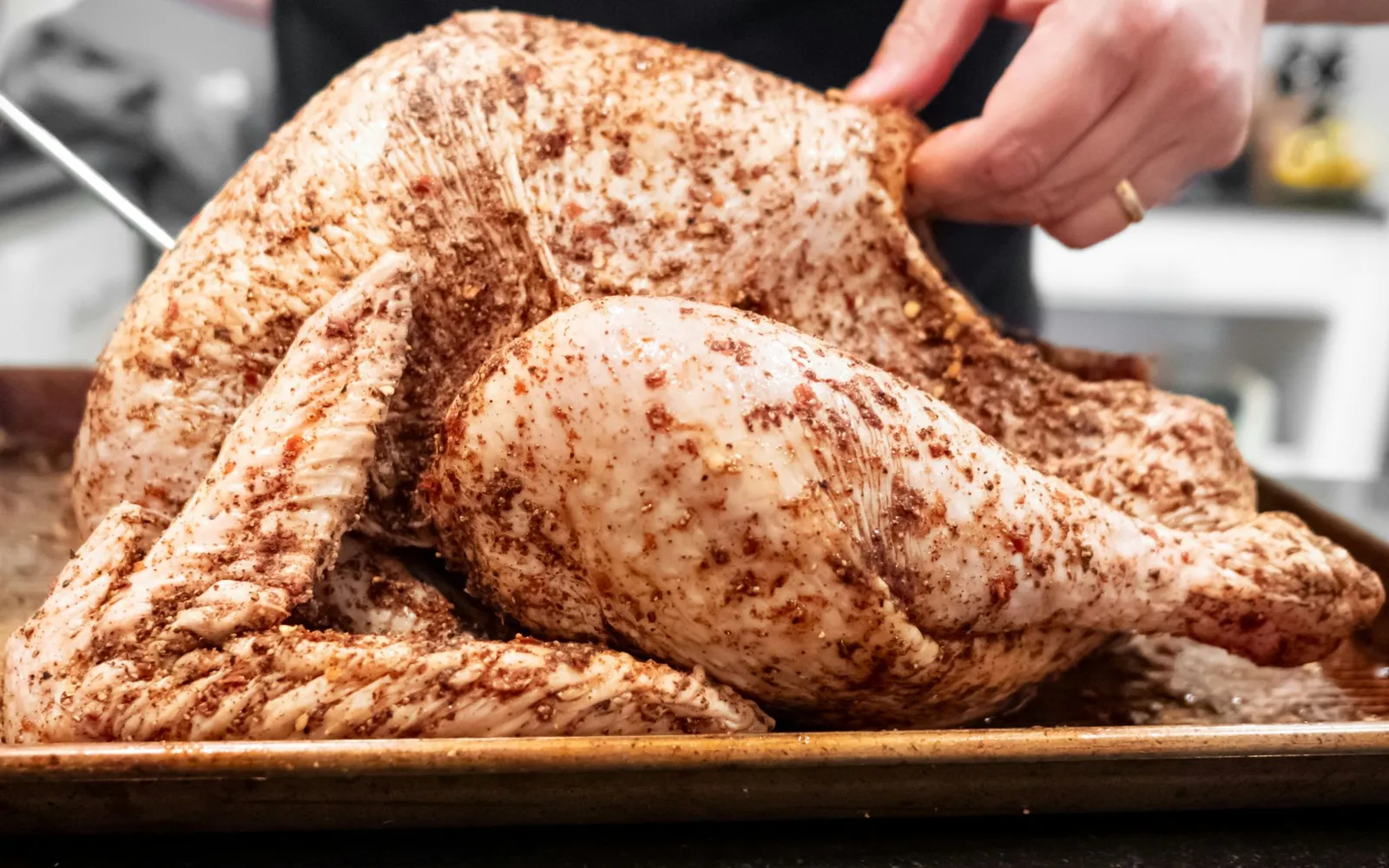
This is the big one. Salt meat the night before, set it on a rack, and leave it uncovered in the fridge. The salt pulls out moisture, dissolves into it, and then that brine gets drawn back in, seasoning deep inside the meat instead of just the surface. The surface dries out too, which means a better sear. Aim for about 1% of the meat’s weight, which works out to roughly 1½ teaspoons of Diamond Crystal or 1 teaspoon of Morton per pound.
No time? Salt right before it hits the pan. The one thing you shouldn’t do is salt 15 minutes ahead, because that’s exactly when the moisture is pooled on the surface and you end up searing your steak in a puddle of its own regret. Right before, or 45 minutes or more. Nothing in between.
4. Salt from above
Pinch it and rain it down from about a foot up. You’ll feel like you’re showing off. You are. It also gives you even coverage instead of one bite that tastes like the Dead Sea and three that taste like nothing.
5. Taste constantly
Keep a spoon nearby and taste at every stage. Not sure if it needs salt? Put a little on a single spoonful and taste that before you commit the whole pot. If the salted spoonful tastes better, you have your answer. If it tastes saltier but still flat, you don’t need salt. You need acid. That’s a different lesson, and yes, there will be a test.
6. Oversalted it? Do not trust the potato.
Your aunt says to toss in a raw potato to absorb the salt. Your aunt is wrong. The potato absorbs salty liquid, not salt, so you end up with slightly less soup that’s exactly as salty. The real fix is dilution: more unsalted liquid, more of the unseasoned ingredients, or a bigger dish to fold it into. A hit of acid or fat can also blunt the edge. Then forgive yourself. Everyone does it. The trick is overshooting while learning instead of undershooting forever.
Season like you mean it. Your food has been waiting for you to.